
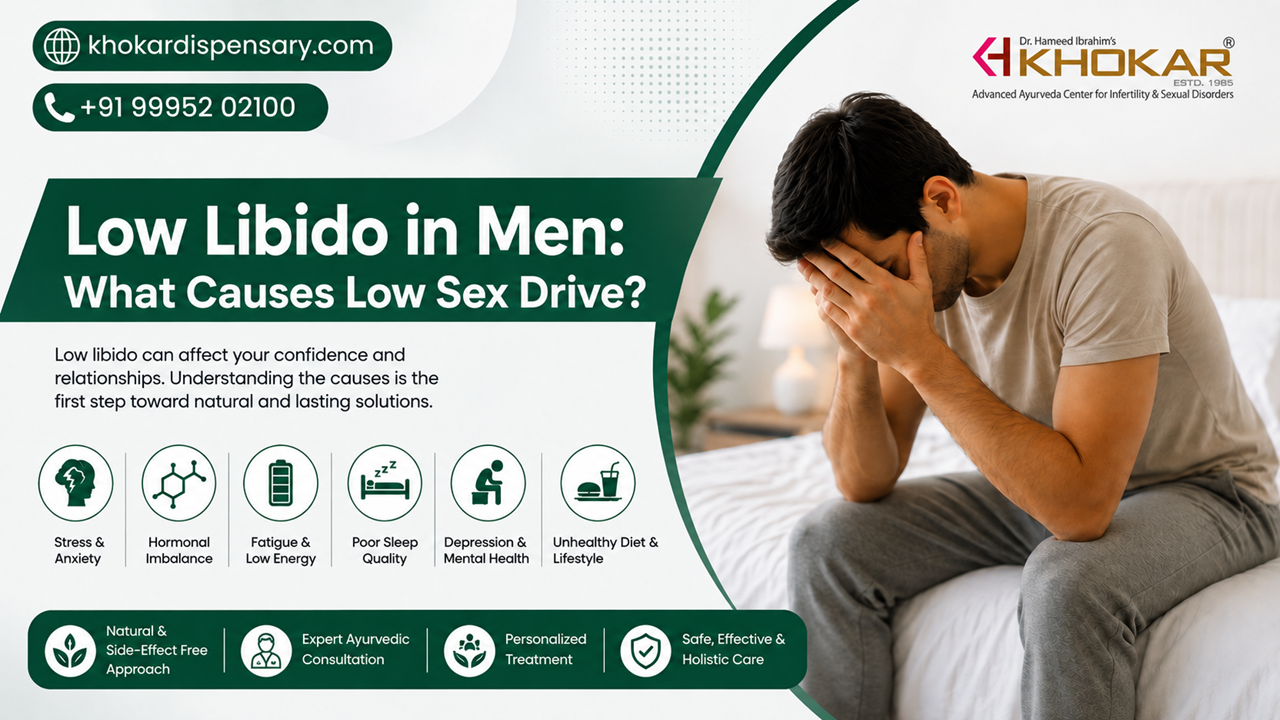
Low Libido in Men: What Causes Low Sex Drive?
Men have a lifelong interest in sex, but they do not maintain it at the exact same level throughout life. Certain weeks the want feels intense, other times work pressure, lack of good sleep, illness, stress in the relationship or just simple fatigue can place sex near the bottom. But if male impotence goes on for weeks or months, then it should be investigated further.
Low libido (also known as low sex drive) means you are not so interested in sexual activity or sex than your usual self. This is not the same as having erectile dysfunction. A man may have normal erections with little interest in sex, while another has the desire but finds it difficult to sustain an erection.
Crucially, this is not the same single cause across everyone. Hormones are important, but so is emotional well-being, medications, sleep, social relationships, alcohol use and a number of medical conditions. According to Cleveland Clinic, low libido can affect up to one in five men at any given time.
Common Causes of Low Libido in Men
|
Possible cause |
How it may affect sexual desire |
Other clues that may occur |
|
Low testosterone |
Reduces hormonal support for sexual desire |
Fatigue, reduced muscle mass, fewer spontaneous erections |
|
Stress and overwork |
Keeps the mind occupied and increases fatigue |
Poor sleep, irritability, difficulty relaxing |
|
Depression or anxiety |
Reduces pleasure, motivation and sexual thoughts |
Low mood, worry, lack of interest in usual activities |
|
Poor sleep |
Affects energy, mood and hormonal balance |
Daytime tiredness, poor concentration |
|
Certain medicines |
May reduce sexual interest as a side effect |
Libido changes after starting or changing medication |
|
Diabetes or other chronic illness |
Can affect hormones, nerves, circulation and energy |
Fatigue, erectile problems or other medical symptoms |
|
Relationship difficulties |
Emotional distance can weaken desire |
Conflict, poor communication or reduced intimacy |
|
Excess alcohol or drug use |
Interferes with sexual and hormonal function |
Erectile difficulty, tiredness or mood changes |
1. Low Testosterone and Hormonal Changes
Testosterone deficiency is one of the most discussed reasons for low libido in men. Lower testosterone also affects Sexual desire, energy, muscle health, fertility and a number of other bodily functions in males.
Testosterone levels naturally decline as one gets older. According to Cleveland Clinic, levels can decrease about 1% a year starting in the late 30s. However, just because a man is getting older does not necessarily mean he should never want sex. According to Mayo Clinic, even men in their 60s and 70s often still express sexual interest.
And even more importantly, you cannot diagnose low testosterone based on symptoms alone. Stress, diabetes and thyroid problems as well as depression or sleep disorders can also lead to fatigue, little drive and low libido. Proper medical evaluation and blood work matter before starting treatment. Get details on Sexologist in Hyderabad.
2. Stress Can Quietly Reduce Sexual Desire
An exhausting week at the office tends to reduce our sex drive. Months of being under financial pressure, worrying about family problems or racing against endless deadlines might have a bigger impact.
If your brain is stuck on problems, you can’t flip back to relaxed and intimate. Often people were also sleeping badly and worn out spiritually because of the ongoing stress. That latter combo could really kill male sexual desire.
The problem can develop gradually for a lot of men. They might think they have a hormonal problem to begin with, but their day-to-day life tells otherwise: six hours of sleep, perpetual phone calls, missed workouts, late dinners and virtually no time for relaxation.
Therefore, doctors usually consider lifestyle and emotional factors alongside hormonal causes.
3. Depression and Anxiety
Mental health and sexual health are closely connected.
Because depression can deplete motivation and reaction from past pleasure, it may shower a person with low libido. Another issue that anxiety breeds. A man may still be sexually attracted; however, stress of performing, getting an erection, being fertile or satisfying a partner can occur increasingly up to the point that sex becomes stressful.
Eventually, the avoidance of intimacy may feel easier than coping with that anxiety.
In both Mayo Clinic and NHS, stress, anxiety and depression are recognised contributors to a reduced sexual desire.
At the same time, certain psychiatric drugs prescribed to treat the conditions may also affect sexual activity. Hence any men who notice a substantial difference after starting treatment should consult their prescribing physician rather than discontinuing the medication on their own.
4. Erectile Dysfunction Can Affect Desire Too
When dealing with low libido and erectile dysfunction, you have to see these different issues even though they tend to go hand-in-hand.
Envision a fellow who is constantly concerned about failing to achieve an erection. His wishes may be normal but his initial desires. But after a few rough experiences, sex can often parallelulate embarrassment or anxiety. Consequently, his urge may lower.
Erectile troubles occur similarly time at some stage in diabetes, hypertension, hormone problems and additionally depression or drug effects.
So, focusing only on libido and ignoring the problem of persistent erection can miss a part of the picture.
5. Poor Sleep and Sleep Apnoea
A single night of bad sleep likely will not kill sexual desire. Persistent poor sleep is different.
A lack of rest consumes energy and affects mood. Obstructive sleep apnoea has also been associated with particularly low testosterone in some men. According to Mayo Clinic, treating sleep apnoea can restore testosterone and libido when the sleep disorder drives the issue.
Key symptoms include loud snoring, interruptions in breathing while sleeping, headaches on awakening and severe daytime sleepiness.
Thus, a man struggling with low sex drive and severe fatigue need not set the blame squarely on the shoulders of age. Looking for a Sexologist Consultation in Guwahati?
6. Diabetes, Thyroid Problems and Chronic Disease
Sexual desire depends partly on overall health. Consequently, illnesses that affect energy, hormones, nerves or circulation may also affect libido.
Conditions associated with reduced sex drive can include:
- Diabetes
- Heart disease
- High blood pressure
- Chronic kidney disease
- Underactive thyroid
- Chronic pain
- High prolactin levels
Both NHS and Cleveland Clinic identify several long-term health conditions among potential contributors to low libido.
Diabetes deserves particular attention because it may affect several areas at once. For example, poorly controlled diabetes can contribute to erectile difficulties, reduced energy and hormonal changes.
Rather than treating low desire as an isolated sexual issue, a clinician may therefore check the wider health picture.
7. Medicines That May Affect Libido
Sometimes the timing provides an important clue.
A man feels fine for years, starts a new medicine, and then notices a clear decline in sexual interest. Although this doesn’t prove the medication is responsible, the possibility deserves discussion.
Medicines associated with reduced libido can include certain:
- Antidepressants
- Antipsychotic medicines
- Blood-pressure medicines
- Opioid pain medicines
- Hormonal treatments
- Cancer treatments
Cleveland Clinic lists several medication groups as possible contributors to reduced sexual desire.
However, never suddenly stop a prescribed medicine because of sexual side effects. Instead, tell the prescribing doctor what has changed. Depending on the situation, the doctor may review the dosage, investigate another cause or consider an alternative medicine.
8. Alcohol, Smoking and Recreational Drugs
One glass fills somebody with a tiny bit of spirit. Others suggested that heavy or frequent drinking, conversely, may negatively impact sexual performance and/or desire.
Similarly, smoking and the usage of narcotics can have a bad associated influence on sexual health. According to Cleveland Clinic, drinking too much alcohol, abusing drugs and smoking may also lower testosterone levels and libido.
Thus sexual health questions need to include lifestyle habits without context. These particulars often reveal more than people imagine. Read on Sexologist in Riyadh
9. Relationship Problems and Loss of Emotional Connection
Every low libido issue in the underlying structure of other individuals begins inside the body.
Unresolved arguments, loss of trust, resentment, poor communication or emotional disconnection from a partner can slowly reduce your sexual interest.
In addition, they also start avoiding talking about intimacy completely. Your partner thinks you no longer find him/her attractive while the other is merely exhausted, nervous or worrying about their performance in bed.
So, communicating clearly might expose the real problem. Often, couples counseling or individual therapy helps increase the support their partners can also provide.
10. Physical Exhaustion and Too Much—or Too Little—Exercise
The body needs sufficient recovery to support normal sexual function.
Someone working 12-hour shifts, sleeping poorly and training intensely every evening may simply be physically depleted. Conversely, an extremely sedentary lifestyle may contribute to weight gain, poorer cardiovascular health and reduced wellbeing.
Cleveland Clinic recognises both excessive and insufficient physical activity as possible contributors to decreased sex drive.
Balance matters more than chasing extreme fitness routines.
Related Services:
When Should a Man Seek Medical Advice?
Occasional changes in desire usually aren’t alarming. However, consider seeing a healthcare professional if:
- Libido suddenly drops without an obvious reason.
- Low sexual desire persists for several weeks or months.
- Erectile problems occur regularly.
- You experience extreme fatigue or major mood changes.
- Sexual desire changed after starting medication.
- You suspect low testosterone.
- The issue is causing relationship distress.
- You have symptoms of diabetes, thyroid disease or another medical condition.
A doctor may discuss medical history, medicines, sleep, emotional wellbeing, relationships and lifestyle. Depending on the symptoms, blood tests may also be appropriate. Mayo Clinic specifically advises medical assessment when loss of sex drive is concerning, especially when the change happens suddenly.
Related Articles:
» Useful tips to rejuvenate Libido
» What to do If Wife has Low Libido?
» What are Men’s Sexual Health Needs?
» Ayurvedic Treatments for Low Libido in Men
Can Low Libido in Men Be Treated?
Most of the time, yes—but it all depends on the cause.
A man suffering from untreated sleep apnoea requires quite a different management strategy compared with someone whose libido waxed and waned as a result of depression. Similarly, a medically proven testosterone deficiency needs to be thoroughly investigated rather than simply buying “testosterone booster” herbal pills.
Treatment may include sleep hygiene, stress management, relationship issues and lifestyle changes, illness treatment or a medication evaluation with a physician. If you are one of the men who has an actual medically verified lack of testosterone, hormone replacement therapy can work for you – but it would not be appropriate for everyone.
Well, that is more of a challenge than an easy fix — knowing why sexual desire declined in the first place out there.
Men worrying about change in sexual health must have a professional assessment at Khokar Dispensary to help you find out any physiological, psychological and lifestyle factors with erectile dysfunction so evidence can be considered together.
FAQS: What Causes Low Libido in Men?
There isn’t one single cause. This may include stress, fatigue, low testosterone, depression and relationship problems in addition to medicines and chronic illnesses.
Yes. Testosterone in fixation that triggers male sexual desire. Low libido by itself does not necessarily indicate testosterone deficiency, and blood tests may be required as part of a medical evaluation.
Age can cause a slow fading of desire. However, according to the Mayo Clinic, quite a number of men maintain their sex drive into their 60s and 70s.
Yes. Ongoing stress can affect mood, concentration, sleep and energy, all of which may reduce sexual desire.
It can. Persistent sleep deprivation may reduce energy and mood, while disorders such as obstructive sleep apnoea may also affect testosterone in some men.
Yes. Metabolic, hormonal and nerve and circulation related mechanisms may play an important role in diabetes affecting sexual health. It might likewise aid to cause erectile problems.
Low libido also means lower sexual desire. Erectile dysfunction refers to difficulty obtaining or retaining an erection. A man may suffer from either condition alone or both together.
Some antidepressants cause sexual side-effects that diminish desire. Men should talk with their doctor about this instead of deciding to stop treatment.
Excessive alcohol can diminish libido and impair sexual function. For these reasons, alcohol consumption should be evaluated within the context of chronic libido impairments.
Some antidepressants cause sexual side-effects that diminish desire. Men should talk with their doctor about this instead of deciding to stop treatment.
Excessive alcohol can diminish libido and impair sexual function. For these reasons, alcohol consumption should be evaluated within the context of chronic libido impairments.
Yes. The decrease in interest in intimacy can be attributed to everything from poor communication, unresolved conflict, lack of emotional connection and sexual anxiety.