
What Is Diminished Ovarian Reserve (DOR)?
Diminished Ovarian Reserve refers to a reduction in the number and quality of ovarian follicles, often reflected by:
- Low Anti-Müllerian Hormone (AMH)
- Low antral follicle count (AFC)
- Elevated FSH
- Poor ovarian response during fertility treatment
Women with DOR may still ovulate, but follicular recruitment is limited, affecting natural conception and assisted reproductive outcomes.
It is not the same as menopause.
Many women with DOR can conceive with timely, holistic, and medically supervised care.
Symptoms of DOR
- Shortened menstrual cycles (24–26 days)
- Lighter bleeding or spotting
- Delayed or inconsistent ovulation
- Fatigue before menses
- Reduced cervical mucus
- Mood fluctuations
- Difficulty conceiving despite regular cycles
Some women remain asymptomatic—diagnosis depends on laboratory and ultrasound evaluation.
Causes & Risk Factors
DOR may arise from:
- Age-related follicle depletion (natural decline after 30)
- Genetic predisposition
- Autoimmune conditions
- Previous ovarian surgery
- Endometriosis
- Pelvic infections
- Chemotherapy/radiation
- Environmental toxins
- Chronic stress and metabolic imbalance
- Excessive exercise or crash dieting
Diagnosis
DOR is diagnosed using:
- AMH blood test – primary marker of ovarian reserve
- Antral Follicle Count (AFC) via transvaginal ultrasound
- FSH + Estradiol (Day 2–4 of cycle)
- Clinical history + menstrual pattern
- Response to ovulation induction
Ayurvedic Perspective (Nidana, Dosha, Samprapti)
In Ayurveda, DOR corresponds to Alpashukla/Alpartava, Beeja Kshaya, and Dhatukshaya, indicating depletion of Artava Dhatu, Rasa–Rakta nourishment, and impaired Ovarian Agni.
Nidana (Causative Factors)
- Vata aggravation from stress, overwork, irregular lifestyle
- Pitta vitiation leading to inflammatory effects on follicles
- Kapha depletion or obstruction reducing nutrient flow
- Chronic digestive weakness → poor tissue formation
- Rasavaha Srotas depletion affecting ovarian nourishment
- Dhatu kshaya from illness, dieting, excessive exercise
Dosha Involvement
- Vata ↓ follicular growth, irregular cycles
- Pitta ↓ oocyte quality through heat/inflammation
- Kapha ↓ oocyte maturation & endometrial support
Samprapti (Pathogenesis)
- Agni dysfunction → improper Rasa-Rakta formation
- Vata aggravation → impaired follicle maturation
- Tissue depletion → weak Artava Dhatu
- Reduced ovarian nourishment → fall in AMH & AFC
- Hormonal rhythm disturbance → inconsistent ovulation
- DOR manifests clinically as low reserve + suboptimal response
Srotas / Dhatus involved
- Artavavaha Srotas – ovarian function
- Rasavaha & Raktavaha Srotas – nourishment pathways
- Artava Dhatu – follicle development
- Ojas – reproductive resilience
Ayurvedic Treatment Approach
(Supportive care that complements modern fertility evaluation)
Goals:
- Strengthen Artava Dhatu (ovarian tissue)
- Improve follicular response
- Reduce oxidative stress affecting oocyte quality
- Stabilise hormonal rhythms
- Enhance endometrial receptivity
- Calm Vata and reduce Pitta-driven heat in the reproductive system
Ovarian Rasayana Protocol (3–6 months)
(Under supervision only. No rasa-aushadhi.)
- Phalaghrita – classical uterine Rasayana for endometrial + ovarian support
- Shatavari Ghrita – nourishes Artava Dhatu
- Jeevaniya Gana Rasayana (Shatavari, Vidari, Madhuka, etc.)
- Ashwagandha Lehyam – reduces cortisol, improves ovulation quality
- Punarnava Mandura – useful if mild anemia affects ovarian nourishment
- Kalyanaka Ghrita – improves mental stability affecting hypothalamic signals
Safety Note:
All formulations must be customised; Ghrita contraindicated in hyperlipidemia or gallbladder disease.
Phase-Specific Ayurvedic Protocol
Follicular Phase (Day 2–14):
- Shatavari
- Ashoka (only if cycle irregularity)
- Yashtimadhu
- Guduchi (cooling + anti-inflammatory support)
- Warm, nourishing foods
- Gentle yoga for pelvic circulation
Luteal Phase (Day 15–28):
- Ashwagandha
- Lodhra (supports luteal sufficiency)
- Phala Ghrita (if advised)
- Grounding, Vata-calming diet
- Avoid stress + intense workouts
External Therapies (Non-invasive, Safe)
- Abhyanga with sesame or Bala-Ashwagandha taila
- Nadi Swedana focused on back/hips—not abdomen
- Shirodhara for stress-related hypothalamic imbalance
Panchakarma (If Indicated, Pre-Conception Only)
Performed ONLY in non-pregnant state and under fertility specialist supervision.
- Virechana – reduces Pitta heat affecting ovarian reserve
- Basti (Yapana or Matra) – rejuvenates Vata and enhances Artava Dhatu
- No Uttara Basti for DOR (not necessary, not recommended)
Modern Integration
Ayurveda supports but never replaces:
- AMH monitoring
- AFC tracking
- TSH/Prolactin/Insulin evaluation
- Timed intercourse
- Ovulation monitoring
- IUI/IVF where needed
- Pre-conception counselling
Diet for Diminished Ovarian Reserve
Foods that Enhance Artava Dhatu
- Warm milk with small quantity of ghee
- Almonds, walnuts, dates, figs
- Moong dal, red rice, millets (well cooked)
- Steamed vegetables with sesame oil
- Saffron-infused milk (if medically safe)
- Fresh seasonal fruits
Foods to Avoid
- Excess caffeine
- Raw salads / cold foods
- Deep fried foods
- Excessively spicy items
- Skip-meals or crash diets
- Alcohol & smoking
Lifestyle
- Maintain consistent sleep-wake cycle
- 30–40 min daily walking
- Avoid over-exercise, HIIT, and long fasting
- Gentle yoga asanas:
- Baddha Konasana
- Supta Virasana
- Setu Bandhasana
- Viparita Karani
- Slow breathing practices (Nadi Shodhana, Ujjayi)
- Reduce screen exposure at night
- Emotional regulation therapy to reduce cortisol load
Why Patients Trust
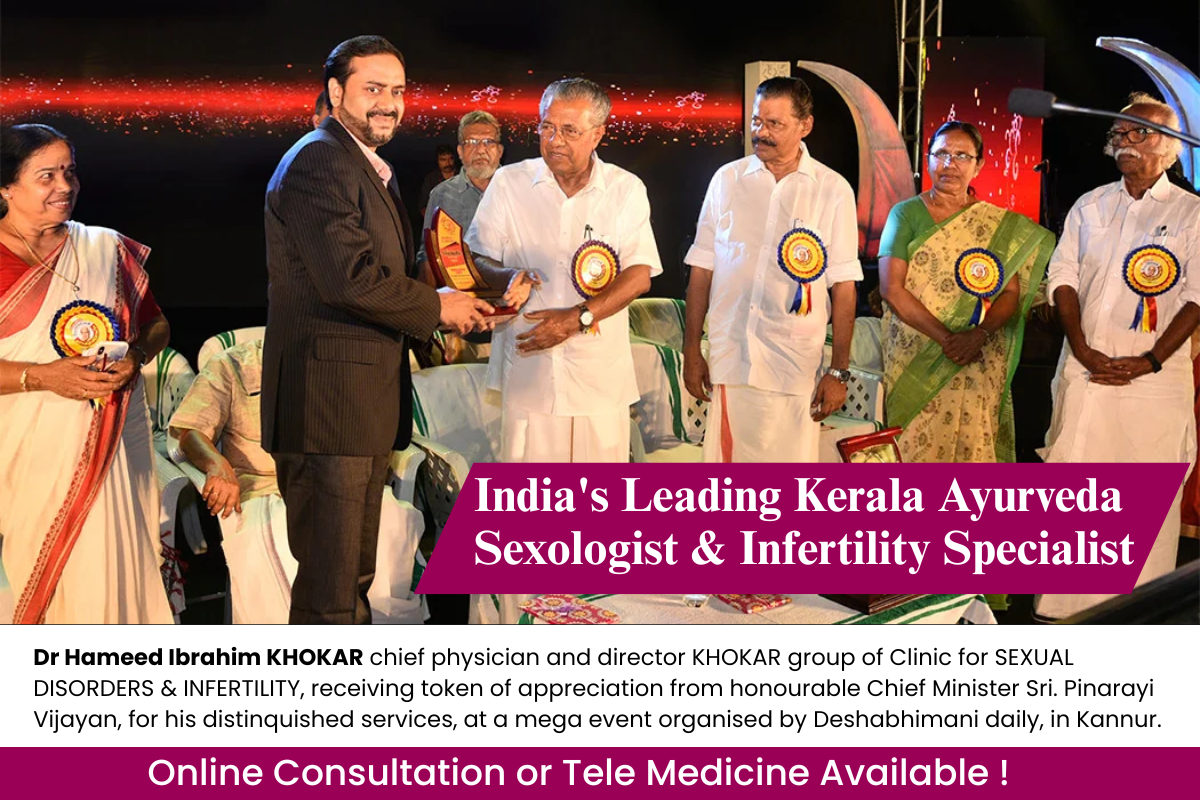
- Led by Dr. Hameed Ibrahim Khokar, an Ayurvedic physician from a 150-year medical lineage
- Clear integration of Ayurvedic Rasayana with modern fertility testing
- Individualised approach based on AMH, AFC, and cycle patterns
- Non-invasive, holistic ovarian-support methods
- Transparent safety and realistic outcomes
- Multi-generational Ayurvedic expertise treating fertility cases
Case Example
A 34-year-old woman with AMH 0.7 ng/mL and AFC 4 presented with short cycles and difficulty conceiving.
Ayurvedic Plan
- Shatavari Ghrita for 3 cycles
- Ashwagandha Lehyam for stress modulation
- Basti therapy for Vata correction
- Follicular-phase dietary enrichment
- Luteal-phase grounding routine
- Endometrial optimisation with warm, nourishing meals
Outcome
AMH stabilised, follicular growth improved, and cycle length normalised.
She conceived naturally after 7 months.
(Results vary; this is supportive care combined with modern monitoring.)
Medical & Safety Disclaimer
Ayurvedic treatment for DOR is supportive, not a substitute for medical fertility evaluation.
AMH, AFC, and hormone testing must be monitored by qualified specialists.
Herbal and classical formulations should be used only under professional supervision and tailored to individual clinical findings.