



What Is PCOD?
Polycystic Ovarian Disease (PCOD) is a hormonal-metabolic condition in which the ovaries produce excess androgens (male hormones), leading to irregular cycles, anovulation, weight fluctuations and multiple immature follicles.
It affects menstrual rhythm, fertility potential and overall metabolic health.
Common Symptoms of PCOD:
- Irregular or missed periods
- Delayed ovulation or anovulation
- Acne or oily skin
- Hair loss or thinning
- Facial/body hair growth
- Weight gain or difficulty reducing weight
- PMS mood fluctuations
- Fatigue or low energy
- Infertility or difficulty conceiving
Common Medical Contributors:
- Insulin resistance
- High androgen levels
- Low-grade inflammation
- Stress-driven hormonal imbalance
- Genetic predisposition
- Sleep dysregulation
- Thyroid imbalances
PCOD is not simply an ovarian disorder — it is a whole-system hormonal-metabolic condition.
AYURVEDIC PERSPECTIVE ON PCOD
PCOD in Ayurveda is understood as a combination of Vata–Kapha imbalance, disturbances in Artava-vaha Srotas, impaired Agnī, and accumulation of Āma. These factors disrupt ovulation, menstrual regularity and hormonal balance, leading to cystic ovarian tendencies.
a) Nidāna (Ayurvedic Causative Factors)
PCOD aligns with:
- Kapha Prakopa
- cyst formation
- weight gain
- sluggish hormonal function
- metabolic slowdown
- Vata Imbalance (especially Apāna Vata)
- irregular cycles
- disrupted ovulation
- pelvic discomfort
- hormonal miscommunication
- Pitta Disturbance
- inflammation
- acne, hair fall
- heat-related menstrual irregularity
- Agnimandya (Weak Digestive–Metabolic Fire)
Leads to:
- poor metabolism
- insulin resistance tendencies
- abnormal tissue formation (Kapha dominance)
- Āma Accumulation (Toxic Metabolic Byproduct)
Blocks reproductive channels → cystic changes, anovulation.
- Artava-vaha Srotas Dushti
Disruption in:
- egg maturation
- follicular development
- endometrial rhythmicity
- Ojas Depletion
Emotional stress, irregular sleep and anxiety weaken reproductive stability.
b) Saṃprāpti (Pathogenesis)
- Agni weakens → Kapha dominance increases.
- Kapha accumulates → sluggish metabolism, cyst formation.
- Vata disturbs ovarian function → delayed/irregular ovulation.
- Pitta may flare → inflammation, acne, mood fluctuations.
- Āma obstructs reproductive channels → impaired hormonal signaling.
- Artava Dhatu becomes imbalanced → irregular cycles, anovulation.
- Ojas weakens → fatigue, stress intolerance, craving cycles.
Ayurvedic treatment focuses on restoring Agni, reducing Kapha, stabilising Vata, clearing Āma, and re-establishing ovarian and endometrial rhythm.
AYURVEDIC TREATMENT APPROACH FOR PCOD
Treatment supports healthy ovulation, metabolism, hormonal rhythm, weight balance and emotional harmony.
Herbs Supporting PCOD Management (Supportive Role Only)
(Used as adjunctive support; treatment is always individualised.)
Shatavari (Asparagus racemosus)
Supports hormonal rhythm, endometrial nourishment and Pitta stability.
Ashoka (Saraca indica)
Balances menstrual irregularities and Artava-vaha Srotas.
Lodhra (Symplocos racemosa)
Helps Kapha-related cystic tendencies and improves tissue tone.
Guduchi (Tinospora cordifolia)
Reduces inflammation, supports metabolism, improves immune–hormonal balance.
Triphala (Haritaki–Bibhitaki–Amalaki)
Improves Agni, regulates metabolism, aids weight balance.
Punarnava (Boerhavia diffusa)
Reduces water retention and Kapha accumulation.
Guggulu (Commiphora mukul)
Supports metabolic correction and reduces Kapha stagnation.
Yashtimadhu (Glycyrrhiza glabra)
Helps Pitta balance and supports adrenal–ovarian function.
Classical Ayurvedic Formulations (Carefully Selected Based on Individual Assessment)
For Kapha dominance (cystic tendency)
- Kanchanar Guggulu
- Punarnavadi Manduram
- Triphala Guggulu
For Vata-related irregular cycles
- Sukumara Ghritam
- Dashmoolarishtam
- Phalasarpi (if digestion is suitable)
For Pitta-related symptoms
- Ashokarishtam
- Guduchyadi Kashayam
For metabolic imbalance / weight concerns
- Triphala Churna / Triphala Tablets
- Guggulu-based formulations
Each formulation is chosen after assessment, not for self-treatment.
Panchakarma (When Individually Indicated)
Virechana
Effective for Pitta reduction and metabolic reset.
Basti Therapy (Yoga Basti / Yapa Basti)
Key therapy for:
- Apāna Vata stability
- improved ovulation
- cycle regulation
- stress reduction
Udvartana (Herbal Powder Massage)
Reduces Kapha, improves lymphatic flow and metabolic activity.
Diet for PCOD (Ayurveda-Based)
Beneficial
- Warm, light meals
- Ghee (small amounts)
- Mung dal
- Cooked vegetables
- Low-glycemic fruits
- Jeera–ajwain–saunf water
- High-fiber grains
Avoid
- Cold, heavy foods
- Sweets and refined carbs
- Excess dairy
- Fried foods
- Caffeine excess
- Late-night eating
Diet supports Agni and reduces metabolic sluggishness.
Lifestyle & Mind–Body Support
- Consistent sleep cycle
- Daily movement (walking, yoga)
- Stress reduction techniques
- Avoid excessive fasting
- Balanced work–rest routine
- Limit screen time before bed
- Mindful eating
- Breathwork for Ojas
Emotional balance is crucial for restoring hormonal rhythm.
Safety Note
Ayurvedic herbs and formulations support hormonal balance, ovulation and metabolic health but do not replace necessary medical evaluation, ultrasound, hormonal testing or specialised fertility care when required. Treatment is always customised after complete assessment..
Why Patients Trust Our Clinic for PCOD Treatment
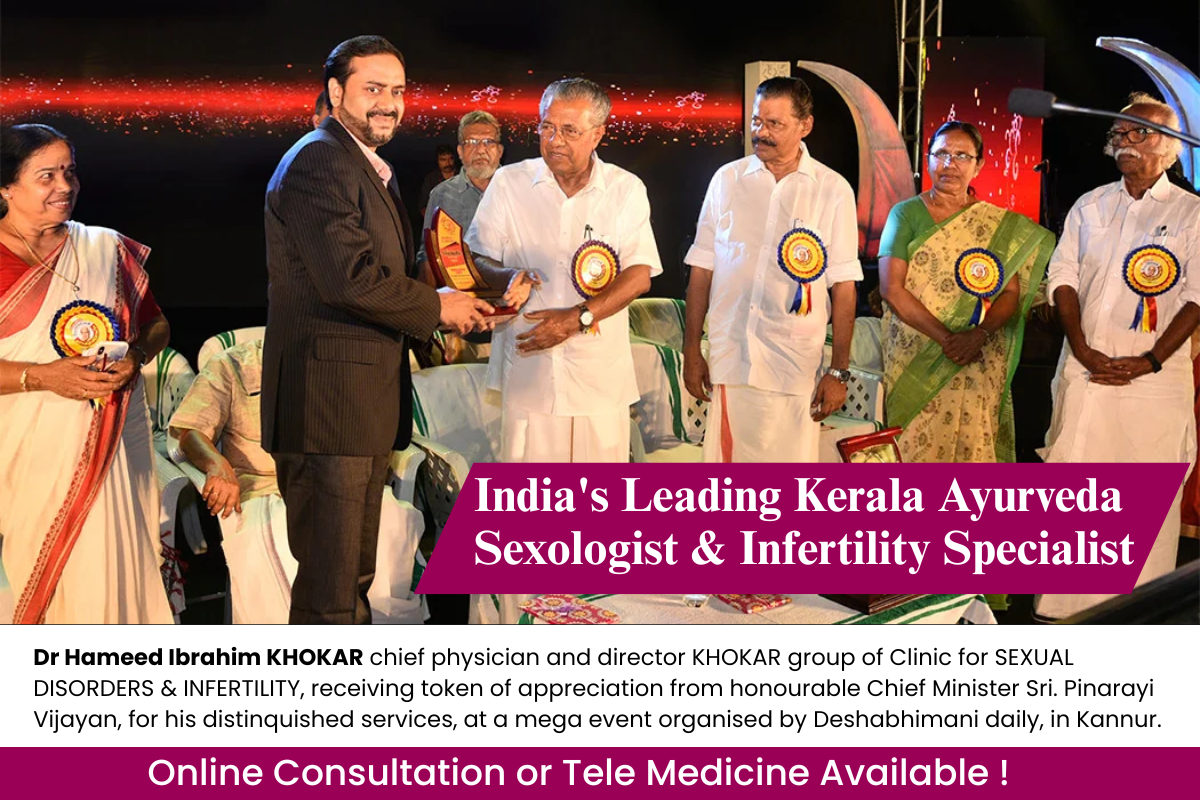
- Treatment guided by an MD Ayurveda Sexologist with expertise in women’s hormonal and reproductive health.
- Led by Hameed Ibrahim Khokar, known for carrying forward a distinguished 150-year Ayurvedic family heritage.
- Trusted by patients from 40+ countries for long-standing hormonal issues.
- Integrates Ayurveda with modern insights on insulin resistance, ovarian physiology and endocrine balance.
- Focuses on long-term hormonal harmony, not just temporary symptom relief.
- Uses safe, authentic herbal medicines without harmful chemicals.
Case Example
A 27-year-old woman presented with irregular cycles (45–60 days), weight gain, acne, and difficulty ovulating. She also reported stress and poor sleep.
Ayurvedic Assessment
- Kapha dominance with metabolic sluggishness
- Vata aggravation causing cycle irregularity
- Pitta involvement causing acne
- Weak Agni
- Artava Dhatu weak nourishment
Treatment Approach
- Kapha-reducing and metabolic-enhancing herbs
- Vata-stabilising reproductive support
- Pitta-calming formulations
- Diet plan focusing on warm, light meals
- Yoga + mindfulness practices
- Cycle tracking
Outcome
After 10 weeks, she achieved improved cycle length (32–35 days), reduced acne, better energy and early signs of improved ovulation pattern.
Disclaimer
The information provided on this page is for educational purposes and does not replace a personalised medical consultation. Ayurveda treatments are planned only after evaluating an individual’s health status, clinical history and specific imbalances. Results vary from person to person. For accurate diagnosis and appropriate treatment, please consult a qualified healthcare professional.
AYURVEDIC TREATMENT FOR PCOD - FAQ
Can Ayurveda cure PCOD?
Is PCOD the same as PCOS?
How long does Ayurvedic treatment take?
Most women improve within 8–12 weeks, while deeper metabolic correction takes longer.