



What Is Low Sperm Count?
Low sperm count (oligospermia) refers to having fewer than the optimal number of sperm in semen. It is one of the most common causes of male infertility and often occurs alongside issues such as low motility, abnormal morphology or reduced semen volume.
Common Causes Include:
- Hormonal imbalances
- Varicocele
- Chronic stress or poor sleep
- Infections affecting the reproductive tract
- Exposure to heat or toxins
- Nutritional deficiencies
- Metabolic issues such as diabetes or obesity
- Excessive sexual activity or overstimulation
- Smoking, alcohol or substance use
Symptoms (Often Silent):
- Reduced semen volume
- Poor stamina or reduced libido
- Difficulty achieving pregnancy
- Feeling of heaviness or discomfort in testes (in some cases)
Low sperm count is a multifactorial condition, and effective treatment requires addressing systemic, metabolic and reproductive factors.
AYURVEDIC PERSPECTIVE ON LOW SPERM COUNT
Low sperm count (Kshina Shukra) is understood in Ayurveda as a disturbance in Shukra Dhatu, Shukra-vaha Srotas, Agnimandya, and imbalance of Vata–Pitta–Kapha, especially Pitta and Vata. The quality and quantity of Shukra Dhatu reflect nourishment, vitality, emotional stability and systemic balance.
1) Nidāna (Ayurvedic Causative Factors)
Factors contributing to low sperm count include:
- Shukra-vaha Srotas Dushti
Heat, obstruction or poor nourishment affecting the reproductive channels.
Pitta Aggravation causes
- Excess body heat
- Inflammation in reproductive tissues
- Oxidative stress affecting sperm morphology
Vata Prakopa causes
- Disturbed movement within reproductive pathways
- Weak maturation and transport of sperm
- Nervous exhaustion or chronic stress
Kapha kshaya causes
- Reduced viscosity and stabilising quality of semen
- Lower seminal volume
- Fatigue and reduced Ojas
Agni Mandya (Weak Metabolic Fire) causes
Poor nutrient conversion → weak tissue regeneration → poor sperm parameters.
Ojas Kṣaya (Vitality Depletion) causes
Stress, irregular sleep, excessive strain, anxiety → weaken reproductive strength.
Saṃprāpti (Pathogenesis)
- Doṣa imbalance (Pitta heat + Vata instability).
- Agnimandya → weak tissue nourishment.
- Shukra Dhatu undernourished → reduced sperm count.
- Pitta aggravation causes heat that damages sperm morphology and vitality.
- Vata imbalance leads to poor motility, premature ejaculation, scattered reproductive energy.
- Kapha depletion results in thinner semen and reduced binding quality.
- Ojas depletion → mental fatigue, low libido, reduced reproductive endurance.
Ayurveda aims to strengthen Shukra Dhatu, cool Pitta, stabilise Vata, restore Kapha quality, improve circulation and rebuild Ojas.
AYURVEDIC TREATMENT APPROACH FOR LOW SPERM COUNT
Treatment focuses on improving sperm production, reducing heat & oxidative stress, enhancing circulation, strengthening Shukra Dhatu and restoring metabolic + emotional stability.
Herbs Supporting Sperm Count (Supportive Role)
(Used as adjunctive support; treatment is always individualised.)
Ashwagandha (Withania somnifera)
Enhances Shukra Dhatu, improves testosterone support, reduces stress-related sperm suppression.
Kapikacchu (Mucuna pruriens)
Traditionally used for improving count, motility and dopamine-linked reproductive vitality.
Gokshura (Tribulus terrestris)
Strengthens urinary–reproductive synergy, supports semen parameters.
Safed Musli (Chlorophytum borivilianum)
Potent Shukra Rasayana for improving seminal nourishment and density.
Shilajit (Purified)
Enhances mitochondrial function and tissue regeneration.
Amalaki (Emblica officinalis)
Reduces oxidative stress affecting sperm morphology.
Bala (Sida cordifolia)
Supports Vata stability and reproductive energy.
Pippali (Piper longum)
Improves Agni without increasing Pitta; enhances bioavailability of Rasayana herbs.
Classical Ayurvedic Formulations (Used After Assessment)
Ashwagandhadi Lehyam
Deep reproductive nourishment and stress reduction.
Narasimha Rasayanam
Strengthens Shukra Dhatu and supports Ojas.
Chandraprabha Vati
Balances Pitta and Vata in the genitourinary system.
Shilajit Vati
Useful for fatigue and low vital force.
Gokshuradi Guggulu
Supports reproductive and urinary pathways, helpful in heat-related issues.
Sukumara Ghritam
Beneficial for Vata-related reproductive weakness.
Phalasarpi
Supports reproductive nourishment when digestion is suitable.
Panchakarma (Used Only When Indicated)
Virechana
Removes excess Pitta heat affecting sperm quality.
Basti Therapy (Specially Yoga Basti / Yapa Basti)
Regulates Apāna Vata → improves sperm production, motility and overall reproductive vitality.
Abhyanga & Steam Therapy
Improves circulation, reduces stress, strengthens Ojas.
Diet for Improving Sperm Count (Ayurveda-Based)
Helpful Foods:
- Ghee
- Milk with herbs (if digestively tolerated)
- Almonds, sesame, dates
- Mung dal
- Cooked vegetables with mild spices
- Warm nourishing meals
- Fresh seasonal fruits
Avoid:
- Hot, spicy foods (Pitta aggravation)
- Alcohol, smoking
- Late-night meals
- Junk/processed foods
- Excess exercise that depletes Ojas
- Sitting with laptops on lap (heat exposure)
Lifestyle & Mind–Body Support
- Regular sleep
- Stress management (breathwork, meditation)
- Avoid excessive sexual strain
- Moderate exercise
- Reduce heat exposure to groin
- Build routine that conserves Ojas
Safety Note
Ayurvedic herbs and formulations support sperm health but do not replace medical evaluation, hormonal testing, semen analysis or treatment of underlying causes such as varicocele, infection or hormonal disorders. Treatment is always individualised after thorough assessment.
Why Patients Trust Our Clinic for Low Sperm Count Treatment
- Guided by an MD Ayurveda Sexologist experienced in male fertility.
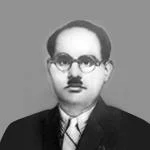
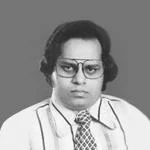
- Led by Dr. Hameed Ibrahim Khokar, an Ayurvedic physician from a 150-year medical lineage with deep clinical tradition.
- Patients from 40+ countries seek treatment for male reproductive issues.
- Integrates modern semen analysis with classical Ayurvedic understanding of Shukra Dhatu.
- Uses safe herbal medicines without steroids or hormones.
- Focuses on holistic improvement rather than temporary symptomatic changes.
Case Example
A 35-year-old man presented with low sperm count (8 million/mL), low motility and mild erectile fatigue. He had a demanding job, poor sleep and a history of mild varicocele.
Ayurvedic Assessment
- Shukra Dhatu depletion
- Vata–Pitta imbalance
- Poor sleep affecting hormonal rhythm
- Stress reducing reproductive vitality
Treatment Approach
- Shukra Dhatu-enhancing Rasayana therapy
- Vata-balancing nervine herbs
- Mild anti-inflammatory reproductive tonics
- Sleep correction routine
- Lifestyle adjustments to reduce heat exposure
Outcome
After 12 weeks, semen count improved to 38 million and motility improved noticeably, fatigue reduced, and sexual confidence increased. The patient reported enhanced stamina and better sleep patterns.
Disclaimer
The information provided on this page is for educational purposes and does not replace a personalised medical consultation. Ayurveda treatments are planned only after evaluating an individual’s health status, clinical history and specific imbalances. Results vary from person to person. For accurate diagnosis and appropriate treatment, please consult a qualified healthcare professional.
Low Sperm Count Treatment : FAQs
Can Ayurveda increase low sperm count?
Yes. By strengthening Shukra Dhatu, improving metabolism and supporting hormonal balance, Ayurveda helps improve sperm count and quality.
How long does treatment take to show results?
Meaningful improvements usually appear within 8–12 weeks due to the sperm regeneration cycle.
Can stress reduce sperm count?
Yes. Stress disrupts hormonal balance, reduces testosterone rhythm and weakens reproductive vitality.
Does daily ejaculation reduce sperm count?
Excessive ejaculation lowers available semen volume temporarily. Adequate spacing supports regeneration.
Can I continue modern fertility medicines alongside Ayurveda?
Yes. Integrated care is safe when supervised.
Will diet alone improve sperm count?
Diet helps, but deeper Shukra Dhatu nourishment requires herbal and lifestyle support.
Is smoking harmful for sperm count?
Yes. Smoking significantly reduces sperm count and motility.
Can Ayurveda help varicocele-related low sperm count?
Yes, by reducing inflammation, improving circulation and strengthening Shukra Dhatu. Severe cases still require medical monitoring.
Are herbal medicines safe long-term?
Yes, when prescribed by qualified practitioners and made using authentic preparations.
Can low sperm count improve even if hormones are normal?
Yes. Many men with normal hormones still have low sperm count due to lifestyle, stress or metabolic issues.
Is low sperm count always permanent?
No. Most cases improve significantly with targeted therapy and lifestyle correction.
Can environmental toxins cause low sperm count?
Yes. Plastics, chemicals and heat exposure reduce sperm quality; detox and lifestyle changes support recovery.
Disclaimer
The information provided on this page is for educational purposes and does not replace a personalised medical consultation. Ayurveda treatments are planned only after evaluating an individual’s health status, clinical history and specific imbalances. Results vary from person to person. For accurate diagnosis and appropriate treatment, please consult a qualified healthcare professional.