

What Is Gonorrhoea?
Gonorrhoea is a sexually transmitted infection caused by the bacterium Neisseria gonorrhoeae, affecting the urethra, cervix, rectum, throat or eyes. It spreads through sexual contact and may show early symptoms or remain silent in many individuals.
Common Symptoms in Men
- Burning sensation while urinating
- Yellow or white penile discharge
- Testicular pain or heaviness
- Frequent urge to urinate
Common Symptoms in Women
- Vaginal discharge (yellow/greenish)
- Pelvic pain
- Burning during urination
- Bleeding between periods
- Pain during intercourse
Possible Complications if Untreated
- Pelvic Inflammatory Disease (in women)
- Epididymitis (in men)
- Joint pain due to disseminated infection
- Infertility in both men and women
- Increased risk of acquiring other STDs
Modern Medical Insight
Gonorrhoea is a bacterial infection where appropriate antibiotics are required as the primary treatment to clear the acute infection.
- Ayurveda provides supportive care during and after treatment — helping reduce inflammation, soothe urinary discomfort, strengthen tissue healing, support immunity and reduce recurrence tendencies.
- Antibiotics address the infection, while Ayurveda complements recovery, comfort and long-term urogenital balance.
Ayurvedic Perspective on Gonorrhoea
From an Ayurvedic perspective, gonorrhoea does not correspond to a single disease name, but aligns most closely with:
- Upadansha (a type of Aupasargika Vyadhi – contagious disease)
- Pittaja–Kaphaja Prameha Upadrava (complication of genitourinary pathology)
- Mutravaha Srotodushti with Shukravaha Srotas involvement
Ayurveda focuses not only on the pathogen, but on:
- Host tissue vulnerability (Dhatu Kshaya)
- Dosha imbalance
- Local mucosal immunity
- Chronic inflammatory milieu
1.Nidana (Causative Factors) – Ayurvedic Analysis
2.External / Infective Factors
- Asatmyendriyartha Samyoga (unwholesome sexual exposure)
- Aupasargika Hetu (contagious transmission via sexual contact)
3.Internal Predisposing Factors
- Excess Pitta (heat, inflammation, discharge)
- Vitiated Kapha (mucus, pus, stickiness)
- Weak Agni → Ama formation
- Recurrent suppression of urges (Vegadharana)
- Excessive sexual activity during Ajirna, fever, or stress
Clinical insight: In Ayurveda, infection manifests only when internal terrain is permissive. This explains asymptomatic carriers and recurrent infections.
4.Samprapti (Pathogenesis)
Classical Pathogenic Sequence
- Mithya Ahara–Vihara + Infective Exposure
- Agnimandya → Ama formation
- Pitta–Kapha Prakopa
- Localization in Mutravaha & Shukravaha Srotas
- Srotorodha + Daha + Srava
- Manifestation as Upadansha Lakshanas
Key Srotas Involved
- Mutravaha Srotas (urinary tract)
- Shukravaha Srotas (reproductive tract)
- Raktavaha Srotas (systemic spread if untreated)
5.Lakshanas (Clinical Features) – Ayurvedic Mapping
Modern Symptom | Ayurvedic Interpretation |
Burning urination | Mutradaha (Pittaja) |
Thick purulent discharge | Kapha-Pitta Srava |
Dysuria | Mutrakrichhra |
Pelvic pain | Apana Vata Avarana |
Epididymitis / PID | Shukra-Artava Dushti |
Asymptomatic cases | Ama-Avastha with suppressed Pitta |
6.Disease Classification in Ayurveda
Gonorrhoea best fits under:
- Upadansha (Sushruta Samhita)
- Mutrakrichhra
- Prameha-Upadrava (chronic/recurrent cases)
Important: Ayurveda clearly recognizes sexual transmissibility, contradicting the myth that classical texts ignored STIs.
7.Principles of Ayurvedic Management (Chikitsa Siddhanta)
Ayurveda does not promote denial of antibiotics in acute gonorrhoea. Instead, it provides a complementary, terrain-corrective, and recurrence-preventive framework.
Core Objectives
- Ama Pachana
- Pitta–Kapha Shamana
- Srotoshodhana
- Local mucosal healing
- Restoration of Shukra & Artava Dhatu
- Prevention of chronic sequelae
8.Chikitsa (Treatment Approach – Conceptual)
Phase 1: Acute Inflammatory Control
- Tikta–Kashaya Dravyas
- Mutrala & Pittashamaka measures
- Avoidance of ushna, amla, lavana ahara
Phase 2: Srotas Healing & Immunomodulation
- Rakta-Prasadana
- Shukra-Srotas support
- Local tissue repair
Phase 3: Rasayana & Recurrence Prevention
- Strengthening mucosal immunity
- Correction of Agni
- Lifestyle & sexual health discipline
Medication names are intentionally not listed here, as prescriptions must be individualized, country-specific, and clinician-guided.
9.Diet & Lifestyle (Ahara–Vihara)
Recommended
- Cooling, non-irritant foods
- Adequate hydration
- Sexual abstinence during treatment
- Stress regulation
Strictly Avoid
- Alcohol, spicy food
- Sexual activity during symptoms
- Suppression of urine
- Self-medication
10.Chronic & Complicated Gonorrhoea – Ayurvedic View
Untreated or recurrent gonorrhoea can lead to:
- Shukra Kshaya → male infertility
- Artava Dushti → PID, ectopic risk
- Granthi / Shotha (epididymis, prostate)
- Ojo-Kshaya → reduced systemic immunity
Ayurveda emphasizes early correction of Dosha-Dhatu imbalance to prevent these irreversible outcomes.
11.Safety, Ethics & Global Compliance
- Gonorrhoea is a notifiable STI in many countries.
- Partner evaluation and treatment is essential.
- Ayurvedic care must be integrated, not isolative.
- Claims of “single-medicine cure” are unethical and non-classical.
Why Patients Trust Our Clinic for Gonorrhoea Support
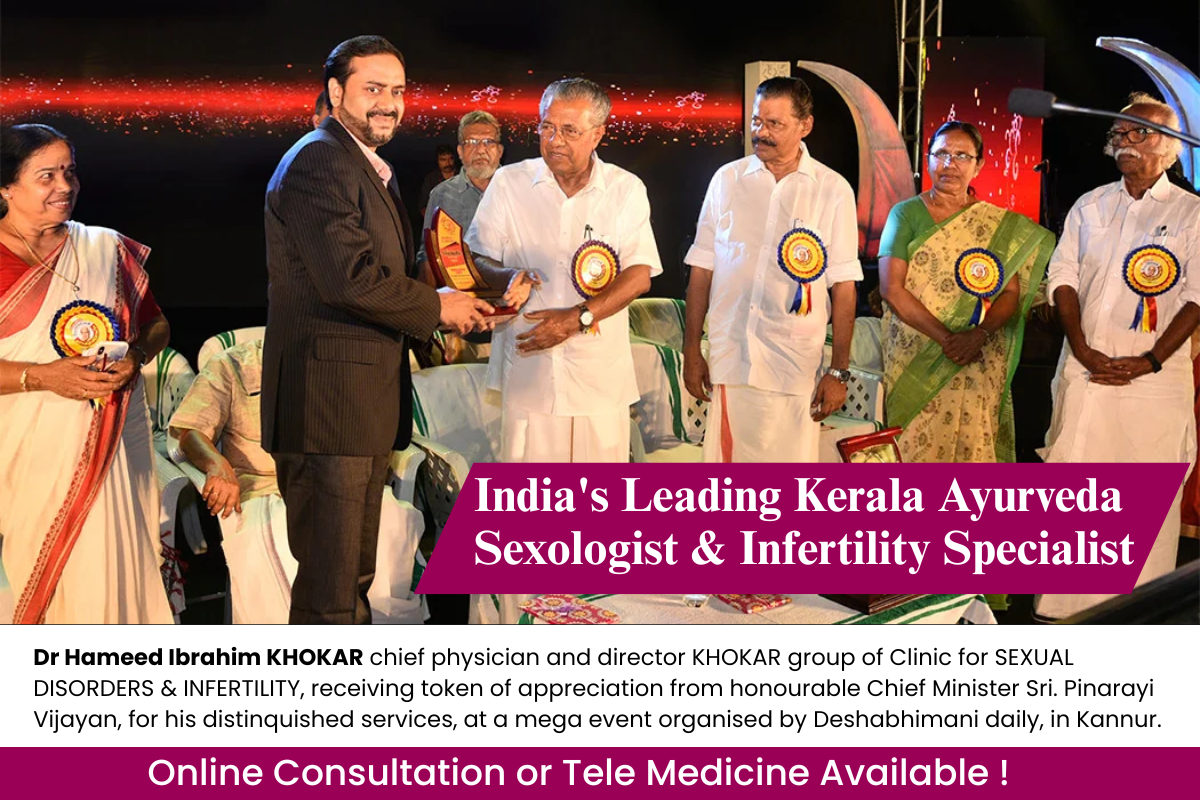
- Guided by an DR HAMEED IBRAHIM KHOKAR Ayurveda Sexologist experienced in sexual and urogenital health.
- Backed by a 150+ year Kerala Ayurveda lineage with clinical depth.
- Trusted by patients from 40+ countries for recovery support and recurrence prevention.
- Provides supportive care aligned with modern medical treatment requirements.
- Focuses on restoring tissue strength, urinary comfort and immune stability.
- Ensures individualised treatment based on dosha and symptom profile.
Case Example
A 27-year-old male presented with burning urination, thick discharge and mild testicular heaviness. He had received antibiotics earlier but continued to feel residual discomfort.
Ayurvedic Assessment
- Pitta dominance → burning and inflammation
- Kapha involvement → thick discharge
- Vata aggravation → urethral sensitivity
- Agni weakness → slow tissue recovery
- Ojas depletion → fatigue
Treatment Approach
- Pitta-calming herbs for burning
- Kapha-reducing support for discharge
- Herbal urinary comfort formulations
- Rasayana therapy for post-infection recovery
- Hydration routine and diet correction
- Stress and sleep balancing rituals
Outcome
After 4 weeks, burning significantly reduced, discharge resolved, and urinary comfort improved. The patient reported better energy and mental clarity.
Disclaimer
The information provided on this page is for educational purposes and does not replace a personalised medical consultation. Ayurveda treatments are planned only after evaluating an individual’s health status, clinical history and specific imbalances. Results vary from person to person. For accurate diagnosis and appropriate treatment, please consult a qualified healthcare professional.
AYURVEDIC TREATMENT FOR GONORRHOEA - FAQ
Can Ayurveda cure gonorrhoea?
Antibiotics are necessary to eliminate the acute symptoms, Ayurveda provides supportive care for comfort, recovery, and recurrence reduction.
How does Ayurveda help after medical treatment?
Ayurveda supports tissue healing, reduces inflammation, strengthens immunity and restores urinary comfort.
Are gonorrhoea symptoms always obvious?
No. Some individuals have mild or no symptoms.
Can gonorrhoea cause infertility?
Yes, if untreated it may cause PID in women and epididymitis in men.
Can recurrent infections be managed with Ayurveda?
Ayurveda supports immune strength and tissue resilience to reduce recurrence tendency.
Is it safe to resume sexual activity during treatment?
No. Avoid sexual contact until medically cleared.
Does Ayurveda help with burning urination?
Yes. Pitta-reducing herbs often help reduce urinary burning.
How long does recovery take?
Most patients observe improvement within 1–3 weeks, depending on severity.
Do I need to inform my partner?
Yes. Partners also require evaluation to prevent reinfection.
Can dehydration worsen symptoms?
Yes. Hydration is essential for urinary comfort.
Are Ayurvedic medicines safe long-term?
Yes, when prescribed properly.
What should I avoid during treatment?
Avoid shaving the area, unprotected contact, scratching and chemical irritants.