

What Are Genital Warts & HPV Infection?
Genital warts are skin-coloured or pink growths caused by certain types of the Human Papillomavirus (HPV). They may appear as single lesions or clusters and can affect the external genital area, anus, or nearby skin.
Common Symptoms:
- Small, soft, raised or flat growths
- Cauliflower-like clusters
- Mild itching or irritation
- Occasional bleeding after sexual activity
- Emotional distress or anxiety
How HPV Works
HPV spreads through skin-to-skin contact during sexual activity. Once the virus enters the tissue, it may remain:
- Active → causing visible warts
- Dormant → symptomless but present
- Subclinical → microscopic lesions
Important Medical Considerations
- Some HPV types cause benign warts
- Other high-risk types may affect cervical or penile health
- Modern medicine uses topical agents, cauterisation, cryotherapy, and vaccines
- Recurrence is common due to immune persistence
Ayurveda offers immune support, tissue healing and recurrence reduction, not a claim of antiviral cure.
Ayurvedic Perspective on Genital Warts & HPV
Ayurveda views genital warts under categories like Charma Arbuda / Charmakeela, influenced by dosha imbalance, tissue weakness and impaired immunity (Ojas).
Key Ayurvedic Interpretations
- Kapha Imbalance
- Thickened growths
- Slow tissue turnover
- Moist, soft lesions
- Vata Disturbance
- Dryness or roughness around lesions
- Skin sensitivity
- Irregular growth patterns
- Pitta Aggravation
- Redness
- Heat and irritation
- Burning sensations
- Agni Disturbance (Metabolic Weakness)
- Allows viral persistence
- Delays tissue memory and immune response
- Ojas Depletion (Low Immunity)
- Increased recurrence
- Reduced tissue resilience
- Emotional fatigue
Ayurvedic Samprapti (Pathogenesis)
- Dosha imbalance weakens local skin immunity
- Kapha allows growth development
- Pitta or Vata influence wart character
- Immune defence (Ojas) becomes insufficient
- Recurrent warts or slow healing occur
Ayurveda’s goal is systemic strengthening, tissue support, dosha correction and reducing recurrence tendency.
Our Ayurvedic Treatment Approach for Genital Warts & HPV
Assessment Includes:
- Duration and extent of warts
- Recurrence history
- Skin sensitivity
- Immune strength indicators
- Sexual health history
- Stress, sleep, digestion
- Prakriti–Vikriti
- Associated discharge or itching
Core Ayurvedic Support
Kapha-Regulating Formulations
Support normal tissue turnover and reduce growth tendency.
Pitta-Calming Herbs
Reduce irritation, redness and inflammation.
Vata-Stabilising Support
Improves skin integrity and healing.
Ojas-Enhancing Rasayanas
Strengthen immune response and reduce recurrence potential.
Agni-Improving Digestive Support
Helps the body process and eliminate subtle imbalances.
Local External Support
Gentle classical herbal preparations may support comfort and tissue healing where appropriate.
Follow-Up
Every 3–5 weeks to monitor lesion changes, comfort, and overall immune response.
All herbal preparations are classical Kerala Ayurveda formulations with no harmful chemicals.
Lifestyle, Diet & Mind–Body Support
Diet Recommendations
Helpful foods:
- Warm, cooked meals
- Easily digestible vegetables
- Mild spices (turmeric, coriander, cumin)
- Healthy fats in moderation
- Adequate hydration
Reduce/avoid:
- Very spicy foods (increase irritation)
- Deep-fried and oily meals
- Excess sugar (Kapha increase)
- Alcohol and smoking
- Cold foods disturbing Agni
Lifestyle Recommendations
- Maintain hygiene and dryness in affected areas
- Avoid shaving over warts to prevent spread
- Manage stress through breathing practices
- Avoid self-treatment or scratching
- Use barrier protection during sexual activity
- Maintain adequate sleep
- Strengthen immunity through routine and nourishment
Ayurveda supports immune resilience, stable digestion and tissue health.
Why Patients Trust Our Clinic for HPV & Genital Warts Support
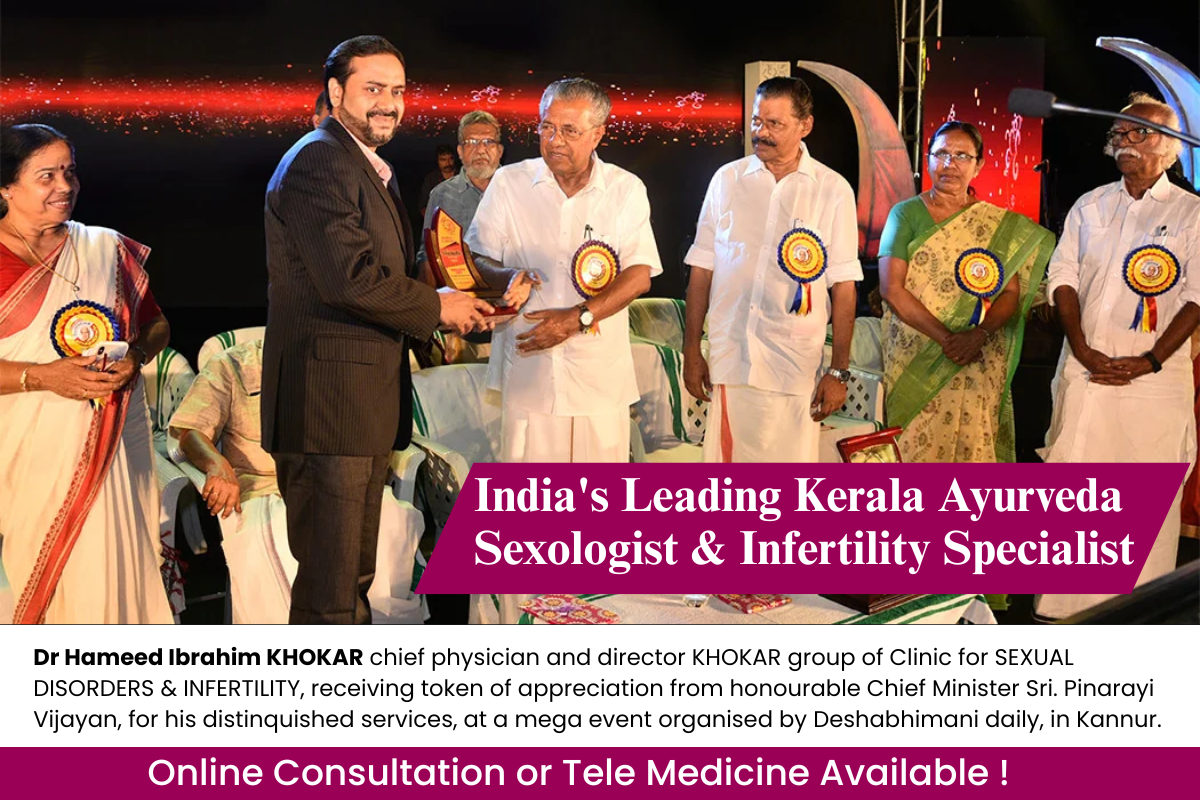
- Treatment guided by an MD Ayurveda Sexologist experienced in sexual health and dermatological concerns.
- Supported by a 150+ year Kerala Ayurveda lineage with generational clinical knowledge.
- Trusted by patients from 40+ countries for recurrent genital warts and HPV-related issues.
- Integrates Ayurvedic dosha assessment with modern understanding of HPV persistence.
- Focuses on recurrence reduction and immune strength, not just symptom removal.
- Uses safe, authentic herbal medicines tailored to individual needs.
Case Example
A 29-year-old man presented with recurrent small warts on the penile shaft. Previous cauterisation removed the lesions, but they returned within months. He reported stress, irregular sleep and digestive weakness.
Ayurvedic Assessment
- Kapha dominance supporting wart formation
- Pitta irritation around lesions
- Vata involvement causing dryness and sensitivity
- Weak Agni contributing to immune sluggishness
- Ojas depletion from stress
Treatment Approach
- Kapha-reducing internal herbs
- Pitta-calming support for skin comfort
- Gentle external application (Ayurvedic, non-irritant)
- Rasayana therapy for immune strengthening
- Digestive correction
- Stress-management routine
Outcome
Within 8 weeks, existing lesions reduced and no new lesions appeared. After 3 months, the patient reported improved skin comfort and reduced recurrence tendency.
Disclaimer
The information provided on this page is for educational purposes and does not replace a personalised medical consultation. Ayurveda treatments are planned only after evaluating an individual’s health status, clinical history and specific imbalances. Results vary from person to person. For accurate diagnosis and appropriate treatment, please consult a qualified healthcare professional.
AYURVEDIC TREATMENT FOR GENITAL WARTS AND HPV - FAQ
Are genital warts dangerous?
Can Ayurveda cure HPV completely?
Do genital warts always come back?
Can Ayurveda help after cauterisation or freezing?
Are warts contagious?
Can stress worsen HPV recurrence?
How long does Ayurvedic treatment take?
Most patients observe changes in 3–8 weeks; recurrence prevention requires longer support.