

What Is Anovulation?
Anovulation means the ovary does not release an egg during the menstrual cycle. It is a leading cause of female infertility and also affects cycle length, hormonal balance, PMS and overall wellbeing.
Some women have occasional anovulatory cycles, while others experience persistent anovulation, which requires deeper evaluation and support.
Common Signs of Anovulation:
- Irregular or very long cycles
- Absence of mid-cycle changes
- No ovulation pain or cervical mucus shift
- Short luteal phase
- Difficulty conceiving
- PMS-like symptoms without proper ovulation
- Low or fluctuating basal body temperature
Common Medical Contributors:
- PCOD/PCOS
- Thyroid imbalance
- High prolactin
- Low ovarian reserve
- Stress and sleep disruption
- Excessive exercise or extreme dieting
- Gut inflammation
- Insulin resistance
- Rapid weight gain or weight loss
Ayurveda approaches anovulation as a systemic imbalance involving hormones, doshas and reproductive tissue nourishment.
Ayurvedic Perspective on Anovulation
Anovulation, the failure of the ovary to release an egg, is understood in Ayurveda as a disturbance in Artava Dhatu, Artava-vaha Srotas, and Apāna Vata, often accompanied by Kapha or Pitta imbalance. It reflects deeper systemic issues affecting hormonal rhythm, metabolic balance and emotional stability.
a) Nidāna (Ayurvedic Causative Factors)
Anovulation aligns with:
- Apāna Vata Imbalance
Affects:
- ovulation mechanism
- follicular rupture
- menstrual rhythm
- pelvic circulation
- Kapha Prakopa
Leads to:
- sluggish follicular development
- cyst formation
- delays in ovulation
- heavier or irregular cycles
- Pitta Disturbance
Creates:
- premature follicular rupture
- luteal weakness
- spotting or short cycles
- Agnimandya (Weak Metabolic Fire)
Poor nutrient absorption leads to:
- weak Artava Dhatu
- irregular hormone signaling
- Āma Accumulation
Blocks ovarian communication pathways and reproductive channels.
- Ojas Depletion
Stress, emotional strain or sleep deficit weaken reproductive vitality and ovulation consistency.
b) Saṃprāpti (Pathogenesis)
- Agni weakens → Dhatu nourishment reduces.
- Kapha accumulates → follicle grows slowly or remains unruptured.
- Vata imbalance disrupts timely follicular rupture.
- Pitta disturbance affects maturation and cycle length.
- Āma obstructs ovarian–endometrial pathways.
- Artava Dhatu loses strength → anovulation becomes recurrent.
- Ojas depletion → emotional instability and reduced fertility resilience.
Ayurvedic management therefore aims to restore metabolic balance, stabilise Apāna Vata, reduce Kapha or Pitta imbalance, clear Āma and support Artava Dhatu.
Ayurvedic Perspective On Anovulatioayurvedic Treatment Approach For Anovulationn
Treatment focuses on strengthening ovarian function, supporting hormonal rhythm, enhancing endometrial health and improving emotional–metabolic balance.
Herbs Supporting Ovulation (Supportive Role Only)
(Herbs support ovarian health but do not replace medical evaluation.)
Shatavari (Asparagus racemosus)
Nourishes Artava Dhatu and supports follicular maturation.
Ashoka (Saraca indica)
Helps regulate menstrual cycles affected by Pitta disturbance.
Lodhra (Symplocos racemosa)
Improves ovarian–endometrial coordination and Kapha-related stagnation.
Kumari (Aloe barbadensis)
Traditionally used to stimulate Artava-vaha Srotas; supports cycle regularity.
Guduchi (Tinospora cordifolia)
Reduces inflammation, supports hormonal and metabolic harmony.
Jeevanti (Leptadenia reticulata)
Essential Rasayana for reproductive vitality and Dhatu strength.
Black Sesame (Tila)
Supports Apāna Vata and uterine nourishment (if digestively appropriate).
Classical Ayurvedic Formulations (Selected After Assessment)
For Kapha-dominant Anovulation (sluggish follicles, cysts)
- Kanchanar Guggulu
- Punarnavadi Kashayam
- Triphala Guggulu
For Vata-dominant Anovulation (delayed ovulation, irregular cycles)
- Sukumara Ghritam
- Dashmoolarishtam
- Phalasarpi (only when Agni is stable)
For Pitta-related Ovulatory Dysfunction
- Ashokarishtam
- Guduchyadi Kashayam
For general Rasayana support
- Shatavari Ghritam
- Brahma Rasayanam
Formulations are always customised; not for self-use.
Panchakarma (When Clinically Indicated)
Virechana
Reduces excess Pitta and improves hormonal balance.
Basti Therapy (Yoga Basti / Yapa Basti)
The main treatment for:
- Apāna Vata regulation
- improved ovulatory rhythm
- pelvic nourishment
- enhanced fertility resilience
Udvartana (Herbal Powder Massage)
Useful when Kapha predominance affects ovulation.
Diet Recommendations for Ovulatory Health
Supportive Foods
- Warm, freshly cooked meals
- Ghee (small amounts)
- Sesame, dates, almonds
- Mung dal
- Cooked green vegetables
- Iron-rich foods
- Moderate spice blends (jeera–ajwain–saunf)
Avoid
- Cold or stale foods
- Heavy dairy
- Excess sweets
- Fried items
- Late-night meals
- Excessively spicy or sour foods (if Pitta is high)
Lifestyle & Mind–Body Support
- Regular sleep schedule
- Gentle yoga and pelvic circulation practices
- Walking or light exercise
- Stress reduction techniques
- Avoid overexertion and extreme dieting
- Grounding practices for Apāna Vata (oil massage, warm baths)
- Mindfulness to support emotional balance
Safety Note
Ayurvedic herbs and formulations support ovulation and hormonal balance but do not replace medical evaluation, ultrasound follicular tracking or hormonal testing when needed. Treatment is always personalised after a complete assessment.
Why Patients Trust Our Clinic for Anovulation Treatment
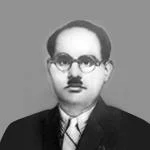
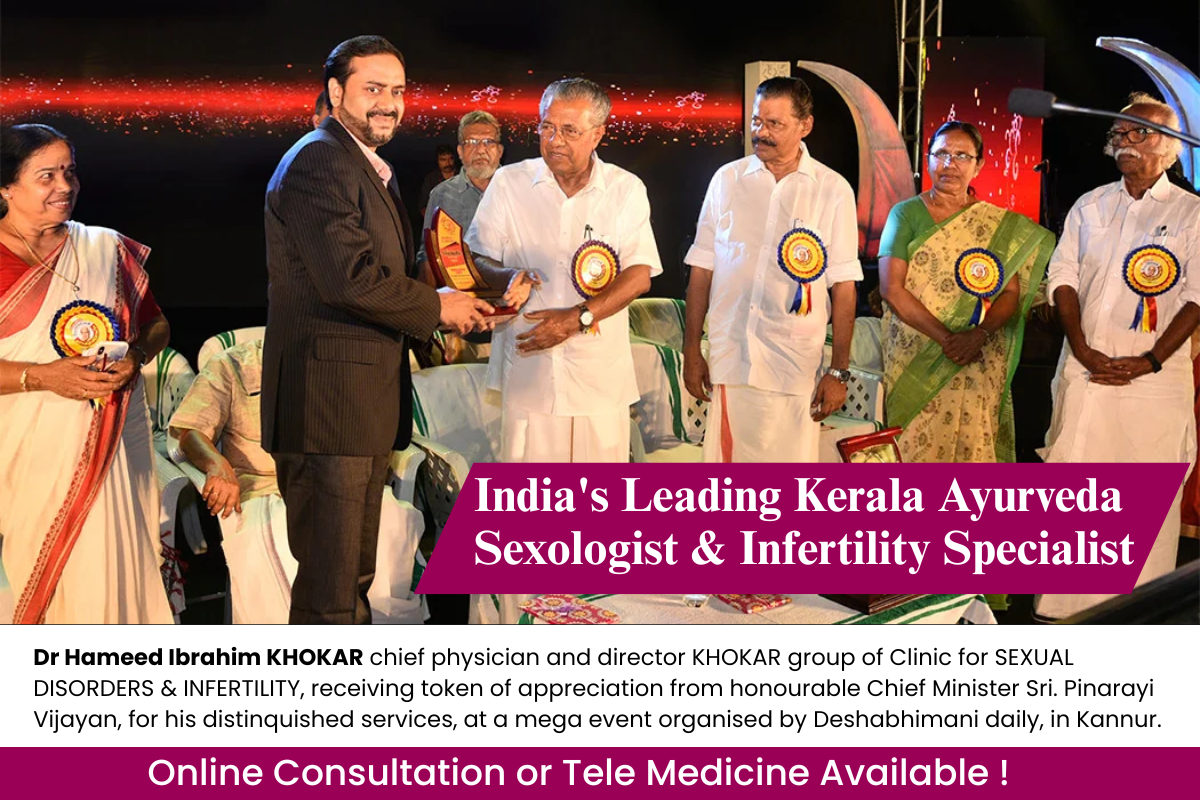
- Led by Dr. Hameed Ibrahim Khokar, an Ayurvedic physician from a 150-year medical lineage
- Treatment guided by an MD Ayurveda specialist with deep expertise in women’s reproductive physiology.
- Women from 40+ countries depend on our approach for cycle regulation and fertility support.
- Integrates Ayurveda with modern insights on ovulation, endometrium and endocrine health.
- Focuses on long-term balance rather than short-term symptom control.
- Uses safe, authentic herbal preparations with personalised planning.
Case Example
A 32-year-old woman had cycles ranging between 35–60 days with no confirmed ovulation. Ultrasound showed delayed follicular development, and she had high stress, mild acne and disturbed sleep.
Ayurvedic Assessment
- Vata aggravation delaying ovulation
- Kapha contributing to sluggish follicular growth
- Pitta involvement causing acne and PMS
- Weak Agni reducing hormone utilisation
- Artava Dhatu insufficient nourishment
Treatment Approach
- Vata-stabilising herbs for hormonal rhythm
- Kapha-reducing metabolic support
- Pitta-calming formulations
- Artava-nourishing Rasayana
- Diet and lifestyle plan
- Sleep optimisation
Outcome
Within 10 weeks, she experienced cycle shortening to 30–34 days, improved cervical mucus, better PMS control and signs of consistent ovulation.
Disclaimer
The information provided on this page is for educational purposes and does not replace a personalised medical consultation. Ayurveda treatments are planned only after evaluating an individual’s health status, clinical history and specific imbalances. Results vary from person to person. For accurate diagnosis and appropriate treatment, please consult a qualified healthcare professional.